Correlated Outcome Clusters in Accumulator Wagers: Insights from Regulated Betting Platforms
Written by Ellis Powell · Aug 5, 2026
Correlated Outcome Clusters in Accumulator Wagers: Insights from Regulated Betting Platforms
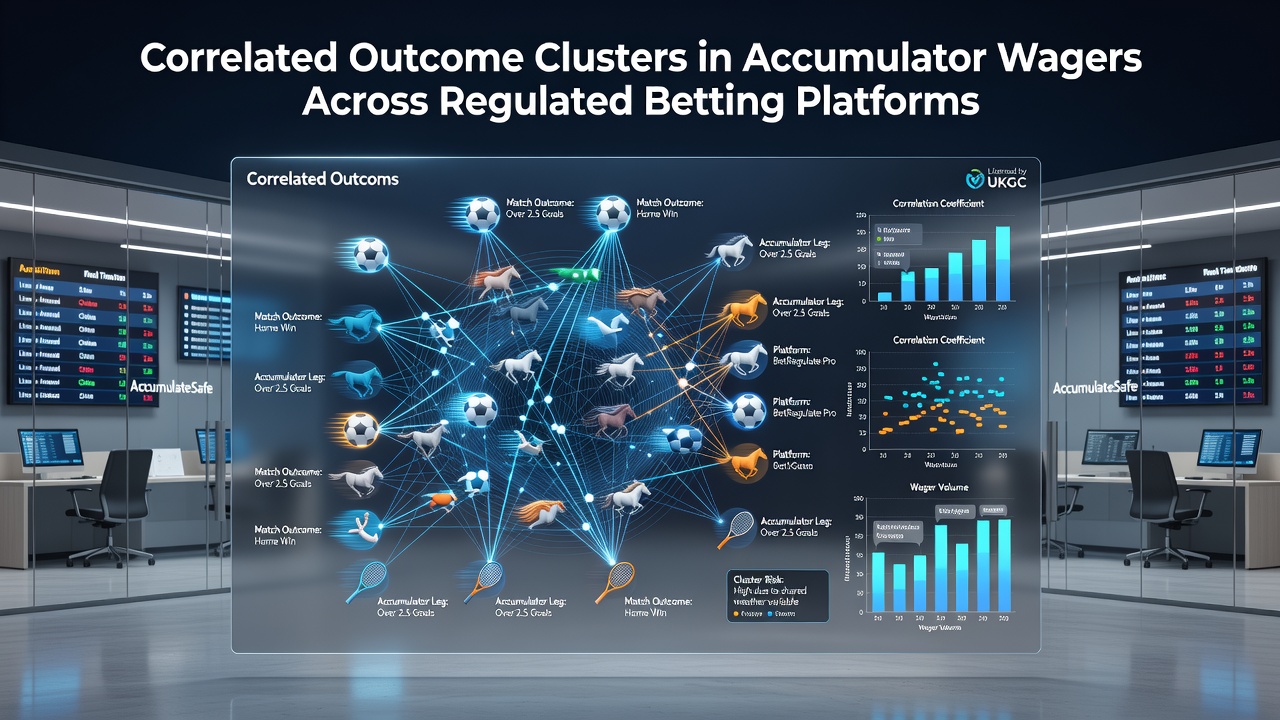
Regulated betting platforms track accumulator wagers closely because multiple legs often produce outcome clusters that shift payout structures, and analysts examine these patterns through statistical models that account for event dependencies. These clusters emerge when certain combinations of results occur together more frequently than independent probability calculations would predict, which affects how operators set odds and manage risk across different markets.Defining Outcome Correlations in Multi-Leg Bets
Accumulator wagers combine several individual bets into one ticket, and correlations arise when two or more events share underlying factors such as team form, weather conditions, or league scheduling. Researchers at regulated operators apply clustering algorithms to historical data sets in order to identify groups of outcomes that repeatedly appear together, and these methods rely on correlation coefficients that measure the strength of relationships between variables like goal totals and player performance metrics.
Data from platforms in multiple jurisdictions shows that correlations become pronounced in leagues where matches occur on consecutive days, because fatigue patterns create measurable links between results. Operators adjust accumulator odds accordingly, which means bettors encounter different pricing depending on whether their selected legs demonstrate positive or negative dependence.
Clustering Methods Used by Licensed Operators
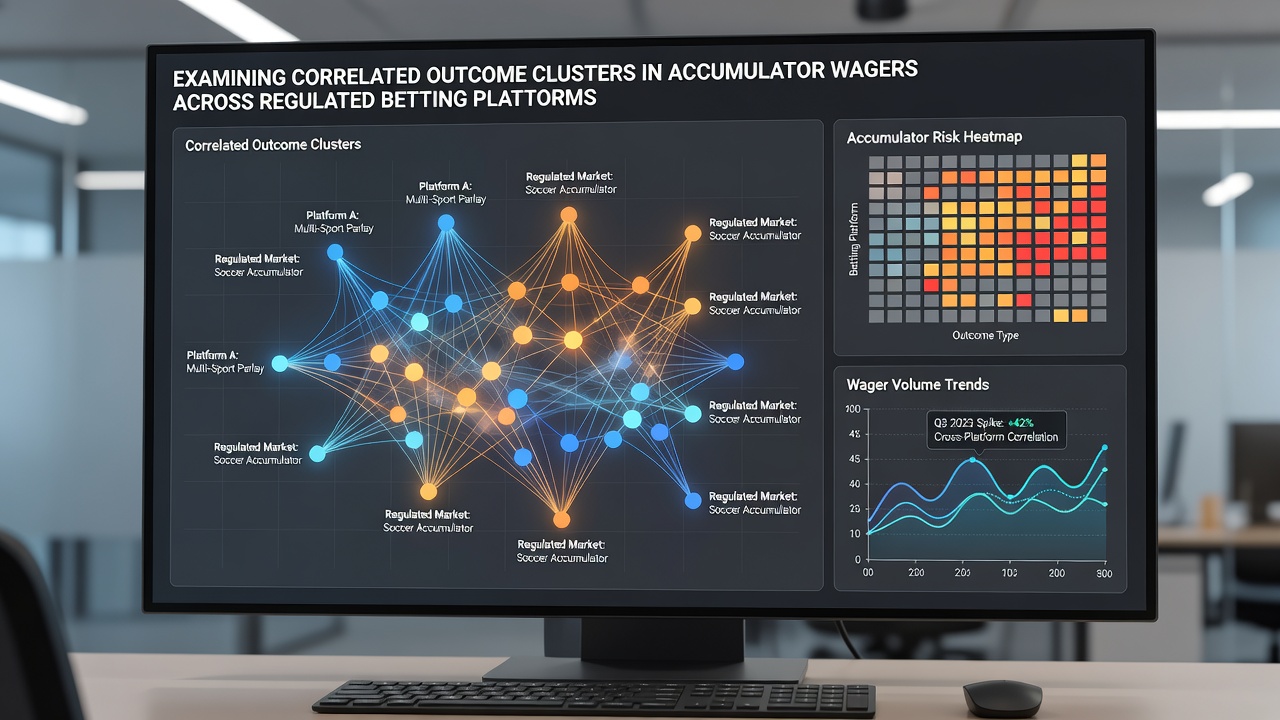
Analysts employ k-means and hierarchical clustering techniques on large transaction records to segment accumulator outcomes into distinct groups, and these segments reveal that certain bet types such as over/under totals cluster more tightly during specific periods of the season. In August 2026 reports from North American regulators, platform operators documented increased cluster density in baseball and soccer accumulators, where weather-related variables produced tighter groupings than random models suggested.
Those who process the data note that clustering helps identify when bookmakers face concentrated liability on particular outcome combinations, while also highlighting opportunities for refined risk management. Platforms integrate these findings into automated pricing engines that recalibrate accumulator lines in real time based on incoming wager volume.
Geographic Variations in Cluster Patterns
European licensed sites report different cluster formations compared with those observed in Australian and Canadian markets, because regulatory frameworks influence the types of events that appear in accumulator offerings. A study published by the Nevada Gaming Control Board examined multi-leg sports wagers adn found that outcome clusters in basketball accumulators showed stronger seasonal periodicity than those in European football markets.
Meanwhile, data aggregated by the International Association of Gaming Regulators indicates that operators in Asia-Pacific regions encounter tighter clusters around live in-play accumulators, where real-time information updates accelerate the formation of correlated result groups. These regional differences stem from variations in sport popularity, data availability, and the specific rules governing accumulator construction.
Impact on Platform Operations and Risk Controls
Regulated platforms deploy monitoring systems that flag accumulator wagers entering high-density clusters, which allows risk teams to adjust maximum stake limits or suspend certain combinations before liability exceeds internal thresholds. Evidence from industry reports shows that such interventions reduce variance in payout distributions, because operators can redistribute exposure across uncorrelated markets when clusters begin to form.
Those managing compliance systems also use cluster analysis to detect potential manipulation attempts, since unusual concentrations of correlated bets sometimes precede irregular activity. Automated alerts trigger manual reviews when cluster thresholds are breached, and this process integrates with broader responsible gambling protocols that track player behavior across multiple sessions.
Future Developments in Cluster Analysis
Advances in machine learning continue to refine how platforms detect and respond to outcome clusters, with newer models incorporating real-time inputs from player tracking systems and league schedules. Academic researchers collaborating with licensed operators have published findings indicating that ensemble methods combining multiple clustering algorithms improve prediction accuracy for accumulator liability by measurable margins.
Regulators in several jurisdictions now request periodic cluster reports as part of ongoing licensing requirements, which ensures that operators maintain transparent methodologies for identifying correlated groups. These requirements encourage further investment in data infrastructure that supports both commercial optimization and regulatory oversight.
Conclusion
Correlated outcome clusters represent a measurable feature of accumulator wagering on regulated platforms, and operators continue to refine analytical tools that track these patterns across diverse markets. Data from multiple regions demonstrates that clustering influences pricing, risk management, and compliance processes, while ongoing research supports more precise identification of dependent events. Platforms that integrate these insights maintain operational stability even as accumulator volumes grow and market conditions evolve.