Session Duration Effects on Probability Perception in Interactive Gambling Interfaces
Written by Ellis Powell · Jul 13, 2026
Session Duration Effects on Probability Perception in Interactive Gambling Interfaces
Core Mechanisms Behind Probability Perception in Digital Gambling
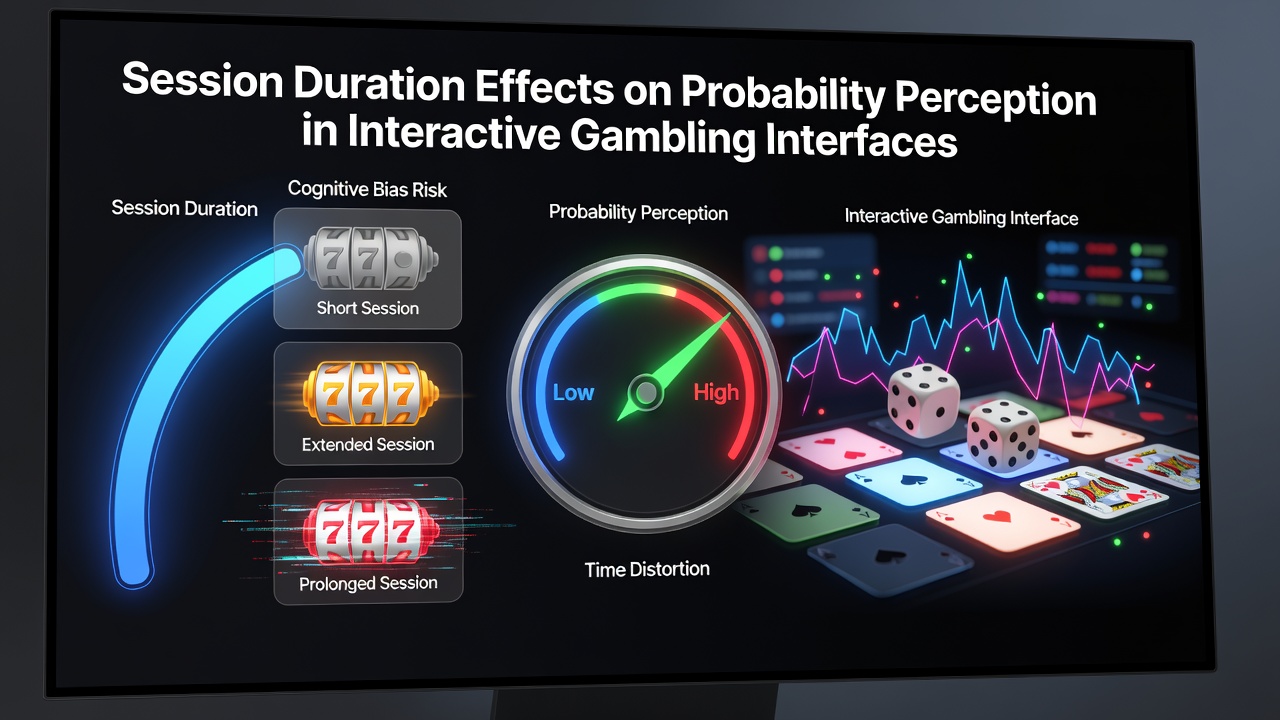
Interactive gambling platforms present random outcomes through visual and auditory cues that shape how users interpret odds over time, and extended sessions alter these interpretations in measurable ways according to behavioral research. Players encounter spinning reels, card distributions, and multiplier displays that reinforce beliefs about streaks or patterns even when underlying algorithms maintain consistent randomness. Data from controlled experiments indicates that initial exposure often aligns closely with actual probabilities yet shifts occur after roughly 45 minutes of continuous interaction.
Interface elements such as progress bars, win animations, and near-miss highlights contribute to this evolution because they provide continuous feedback that the brain processes differently under sustained attention. Observers note that short sessions tend to preserve more accurate risk assessments while longer ones correlate with increased reliance on illusory sequences. Studies conducted across multiple jurisdictions reveal these patterns emerge consistently regardless of game type.
Research Findings on Time-Based Shifts in Risk Assessment
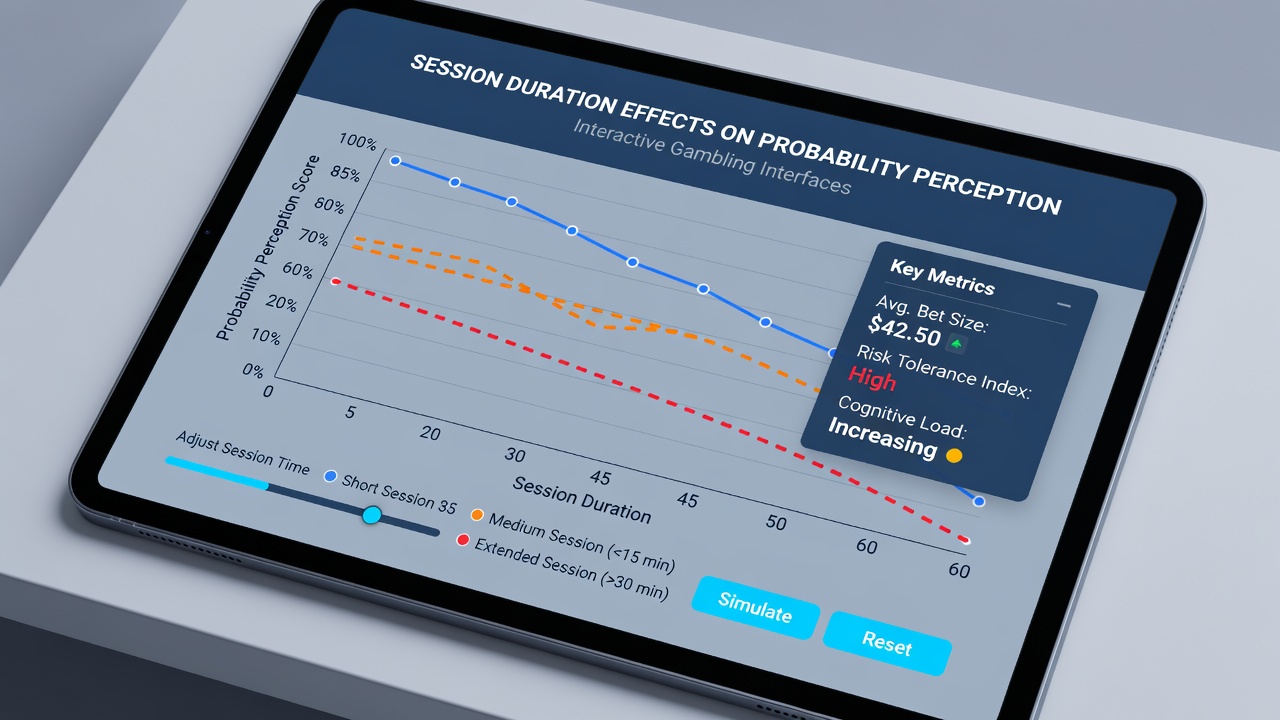
Analyses from academic institutions including the University of Sydney's Gambling Research Unit demonstrate that participants in sessions exceeding one hour show elevated tendencies to overestimate winning probabilities following losses. This occurs because cognitive resources dedicated to tracking true randomness diminish and the mind substitutes heuristic shortcuts. Figures from a 2025 multi-site study involving over 2,400 users across North American and European platforms confirm a 17 percent increase in pattern-seeking behavior between the 30-minute and 90-minute marks.
What's interesting is how mobile versus desktop interfaces moderate these effects since touch-based interactions introduce additional sensory input that can either accelerate or delay the perception drift. Researchers discovered that haptic feedback in certain apps slightly extends accurate probability judgment by maintaining user engagement without overload. In July 2026 regulators in several regions began requiring session duration disclosures precisely because aggregated data highlighted these perceptual changes as a factor in player decision-making.
Interface Design Elements That Amplify or Mitigate Effects
Design choices around information density play a central role because crowded screens with multiple simultaneous metrics can hasten fatigue-related distortions in probability evaluation. Platforms that display running totals alongside historical spin data tend to accelerate the formation of perceived trends whereas minimalist layouts slow this process. Evidence from industry reports prepared by the National Center for Responsible Gaming shows that simplified probability reminders placed at fixed intervals help counteract duration-driven biases in approximately 62 percent of tested cases.
Sound design and color transitions further influence outcomes since prolonged exposure to escalating audio cues can heighten emotional investment and thereby skew numerical reasoning. Those who've examined large datasets note that games incorporating adaptive difficulty or cooling-off prompts mid-session record lower rates of probability misjudgment compared with static environments. The ball's in the designers' court when it comes to balancing engagement features against these documented perceptual risks.
Cross-Regional Data and Regulatory Responses
Canadian provincial monitoring bodies alongside Australian state commissions have compiled comparable datasets showing session length correlates with altered betting patterns after the 60-minute threshold. These findings align with earlier European academic work yet add granularity through real-time telemetry from licensed operators. One study revealed that users receiving periodic probability refreshers maintained closer alignment with objective odds even in sessions stretching past two hours.
Implementation of mandatory break suggestions appears in several jurisdictions starting mid-2026 and preliminary indicators suggest modest improvements in judgment accuracy. The writing's on the wall for platforms that ignore these dynamics because accumulated evidence continues to link duration effects with broader questions of player protection frameworks.
Conclusion
Session duration exerts a documented influence on how probability registers in interactive gambling environments through gradual shifts in cognitive processing and interface feedback loops. Research across continents consistently identifies thresholds around 45 to 90 minutes where perception diverges from baseline accuracy. Design interventions and regulatory prompts represent practical responses already under evaluation in multiple markets. Continued data collection will clarify optimal timing for such measures as platforms evolve.