Synchronizing Bet Adjustments with Random Number Generator Cycles in Modern Slot Systems
Written by Ellis Powell · Aug 14, 2026
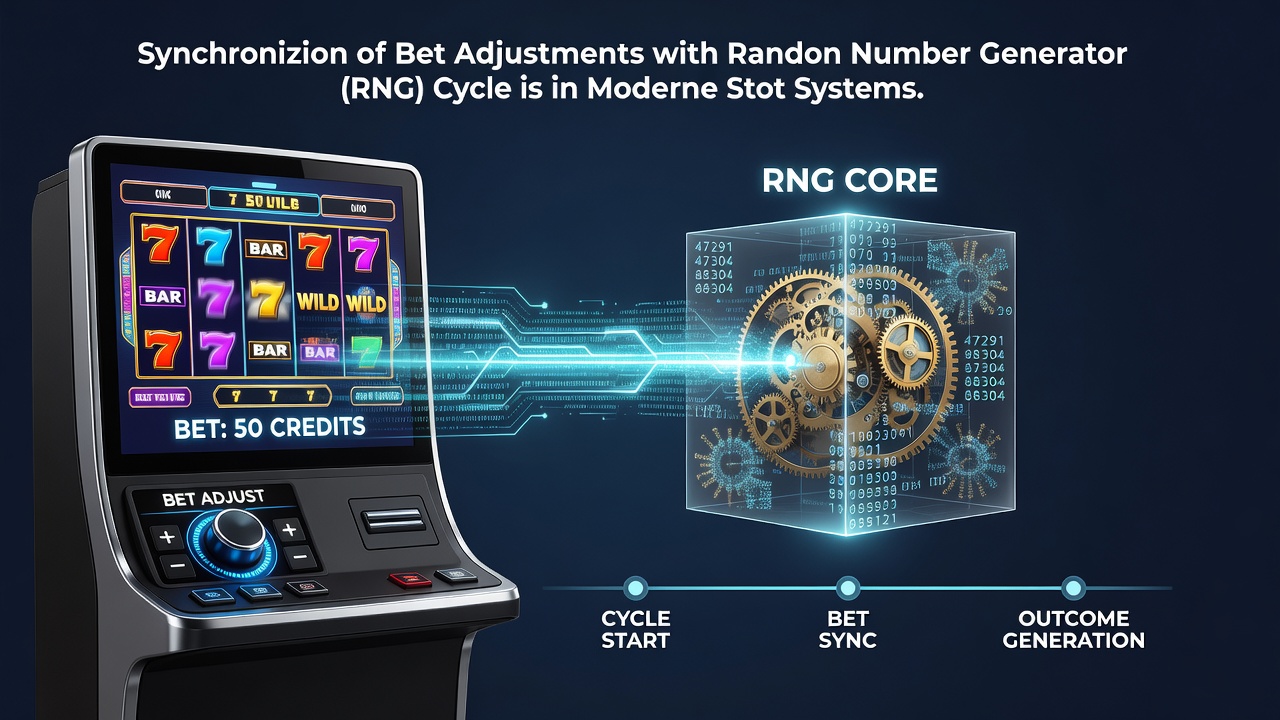
Synchronizing Bet Adjustments with Random Number Generator Cycles in Modern Slot Systems
Modern slot systems rely on continuous random number generator processes that operate independently of player actions, and observers note how bet adjustments interact with these ongoing sequences in ways that remain strictly governed by hardware and software design. Data from regulatory testing laboratories shows that RNG modules generate thousands of number sequences per second even when no wager is placed, which means the outcome for each spin draws from a constantly advancing stream rather than a static cycle that players can align through timing.
How RNG Architecture Functions in Current Slot Platforms
Hardware-based and software-based RNG implementations both follow standards established by independent testing agencies across multiple jurisdictions, and researchers at institutions such as the University of Nevada, Reno Gaming Research Center have documented that each reel position corresponds to a value selected from a pool exceeding one billion possible results in most certified machines. The process runs without interruption during idle periods, so any adjustment to bet size occurs against a background of already generated values that the system has already queued for the next trigger event.
Manufacturers integrate these generators with payout tables that remain fixed once the game receives approval, and figures from the Nevada Gaming Control Board indicate that operators must submit detailed RNG reports before deployment, confirming that bet level changes do not alter the underlying probability distribution. Players who modify wager amounts between spins therefore encounter the same statistical framework that applied to previous bets, since the RNG cycle does not reset or synchronize with the new stake.
Bet Sizing Mechanics and Sequence Independence
Slot software records the current RNG state at the moment a player initiates a spin, and this recording happens regardless of whether the bet has increased or decreased from the previous round. Studies conducted by the Australian National University Centre for Gambling Research reveal that the interval between spins rarely exceeds the time needed for the generator to advance several thousand steps, rendering manual synchronization attempts ineffective against the speed of the process. The system treats each activation as an isolated event that pulls the next available number from the continuous stream.
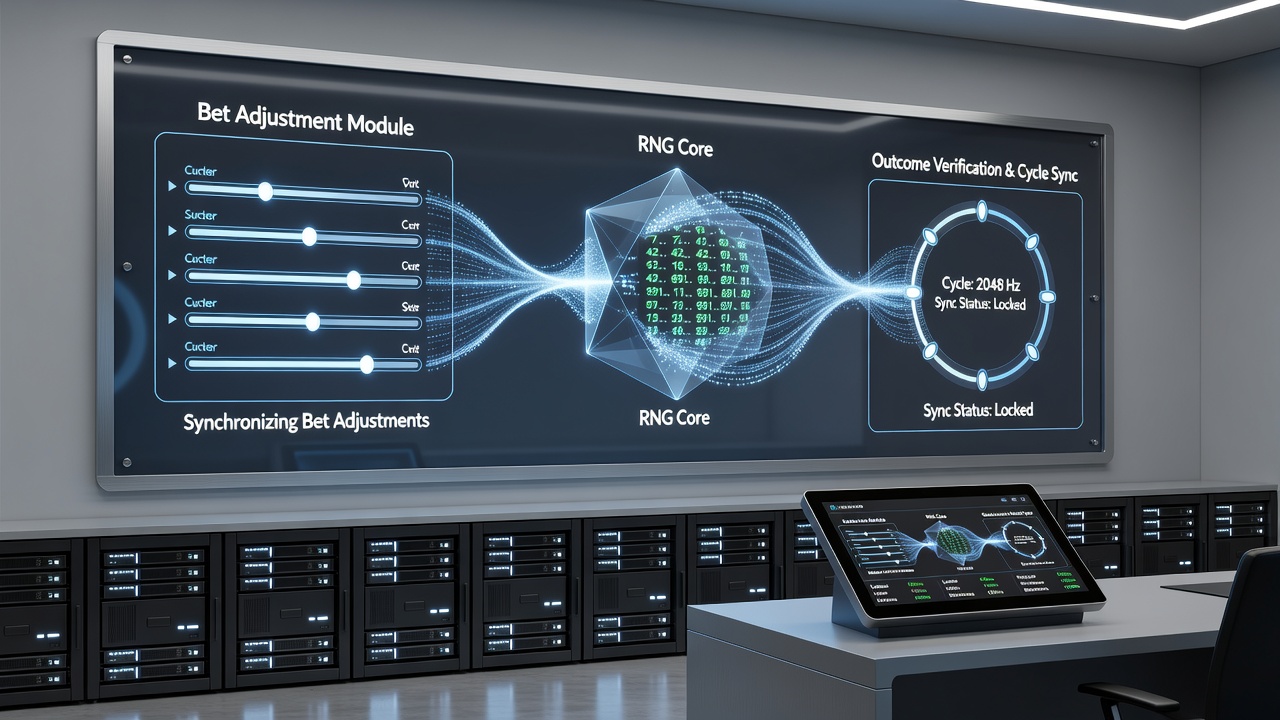
Operators configure machines so that stake multipliers affect only the credit value applied to the fixed payout structure, while the RNG itself continues its independent operation. Evidence collected during routine compliance audits demonstrates that altering bet size produces no measurable shift in the frequency or distribution of winning combinations beyond the proportional scaling of the payout amount. This separation between stake selection and number generation prevents any form of predictive alignment that some observers once speculated might exist.
Regulatory Oversight and Testing Protocols
Certification bodies in various regions require extensive statistical analysis before approving any slot title, and reports from the Ontario Lottery and Gaming Corporation highlight that RNG submissions must pass tests for uniformity, unpredictability, and resistance to external influence. These evaluations include millions of simulated spins across different bet configurations, confirming that outcome distributions remain consistent irrespective of stake adjustments made during the testing sequence.
Technicians monitor live environments through remote access tools that log RNG activity in real time, and data from these monitoring systems shows no correlation between bet changes and subsequent result patterns beyond what probability theory predicts. The regulatory framework therefore treats synchronization claims as outside the operational reality of certified equipment.
Practical Implications for Machine Operation
Game designers incorporate safeguards that lock payout percentages at the hardware level, and any attempt to time bet increases with perceived cycle points encounters the same independent trial structure that applies to all spins. Industry reports from the European Gaming and Betting Association note that modern platforms include additional layers such as cryptographic hashing and continuous entropy sources that further decouple player input timing from the number generation process.
Maintenance logs maintained by operators document that RNG modules undergo periodic reseeding according to manufacturer schedules rather than player activity, and these reseeding events occur on fixed intervals or after predetermined numbers of spins. The result is a system where bet adjustments remain visible to the player yet produce no alteration to the underlying cycle progression.
Conclusion
Current slot technology maintains strict separation between wager selection and random number generation, and documented testing across multiple regulatory environments confirms that synchronization of bet adjustments with RNG cycles does not occur within approved systems. The continuous nature of modern generators, combined with rigorous certification requirements, ensures that each spin draws from an independent position in the sequence regardless of stake modifications. Observers and researchers continue to examine these mechanisms through compliance data, yet the fundamental architecture remains unchanged in its resistance to external timing influences.