UK Gambling Commission Releases Q2 FY2025-26 Stats: Remote Casinos Rack Up £1.4 Billion GGY Amid 6.6% Industry Growth

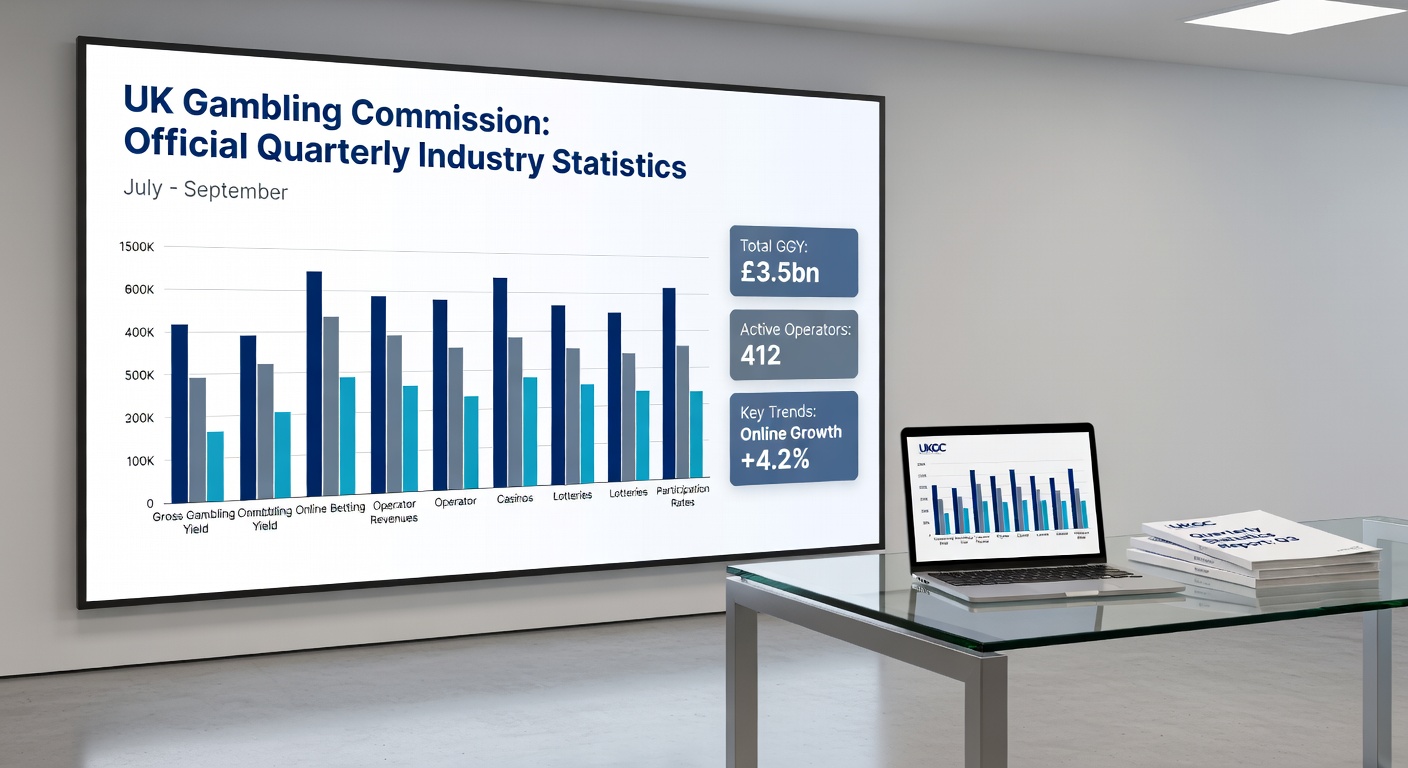
The UK Gambling Commission dropped its latest quarterly industry statistics in February 2026, covering the period from July to September 2025—which marks Q2 of the financial year running April 2025 to March 2026—and those figures paint a clear picture of a sector where remote casinos are pulling ahead with impressive numbers; data shows remote casino activities alone generated £1.4 billion in Gross Gambling Yield (GGY), accounting for a whopping 69.9% of the total £2.0 billion GGY across the remote casino, betting, and bingo sectors combined.
Land-based operations didn't lag too far behind either, as arcades, betting shops, bingo halls, and casinos together reported £1.2 billion in GGY for the same quarter, highlighting how the industry balances digital dominance with traditional venues that still draw crowds. Overall, customer-facing GGY hit £4.3 billion, a solid 6.6% jump from the year before, and as March 2026 rolls around, these stats offer a snapshot of momentum building in a regulated market that's adapting to player preferences.
Remote Casinos Take the Lion's Share
What's striking in the official release is how remote casinos commanded nearly 70% of their combined remote sector, with that £1.4 billion figure underscoring a shift where online slots, table games, and live dealer experiences keep players hooked longer and wagering more consistently; experts tracking these trends note that such dominance isn't new, but the sheer scale here—£1.4 billion out of £2.0 billion total—signals remote platforms refining their offerings to capture a broader audience, from casual spinners to high-stakes strategists.
And while betting and bingo carved out the remaining 30.1%, remote casinos' slice grew because operators invested in seamless apps and promotions that resonate in a mobile-first world, according to the data; people who've analyzed past quarters see this as part of a pattern where digital accessibility trumps physical travel, especially post-pandemic when habits solidified around home-based gaming.
Land-Based GGY Holds Firm at £1.2 Billion
Turning to brick-and-mortar spots, the combined GGY of £1.2 billion across arcades, betting shops, bingo, and casinos shows resilience in an era dominated by screens; arcades buzzed with machine plays, betting shops handled in-person wagers on sports and horses, bingo halls filled with social gatherings, and casinos offered that tangible thrill of roulette wheels and card tables—all contributing to a total that, while smaller than remote figures, proves these venues remain vital hubs for community and excitement.
Observers point out how land-based GGY often fluctuates with events like major football matches or holiday crowds, yet this quarter's steady £1.2 billion reflects operators navigating higher costs and regulations without losing their core appeal; take bingo halls, for instance, where session-based play keeps GGY predictable, or casinos that blend slots with high-limit tables to balance the books.
Overall Customer-Facing GGY Climbs 6.6%
Zooming out, the full customer-facing GGY reached £4.3 billion, up 6.6% from Q2 the previous year, a growth fueled by remote surges while land-based held ground; this encompasses everything players directly engage with, from online bets to physical spins, and data indicates the uptick stems from increased participation rates alongside steady average spends per session.
But here's the thing: that 6.6% isn't uniform—remote sectors drove most of it, pushing the industry past £4 billion for the quarter, whereas land-based growth tempered due to venue capacities and economic pressures like inflation on operating expenses; researchers who've crunched similar reports over years find these year-on-year comparisons reveal where the action's heading, especially as March 2026 approaches with Q3 data on the horizon.
Understanding GGY in Context
Gross Gambling Yield, or GGY, boils down to stakes minus winnings returned to players, essentially the revenue operators keep after payouts, and for Q2 FY2025-26, it serves as the commission's key metric for tracking health across segments; remote casinos' £1.4 billion GGY, for example, reflects high-volume play where return-to-player rates hover around industry standards of 90-95%, leaving that substantial yield.
Land-based GGY works similarly but factors in venue-specific costs like staffing and maintenance, which eat into margins differently; studies from prior quarters show GGY's reliability as a barometer, capturing not just volume but profitability, and this release reinforces how remote ops achieve scale through 24/7 access without the overhead of physical sites.
Sector Breakdowns and Patterns
Diving deeper into remote totals, the £2.0 billion pot for casinos, betting, and bingo breaks down with casinos leading at 69.9%, betting likely claiming a chunk from football and racing amid the summer season, and bingo rounding it out via online rooms that mimic hall vibes; land-based mirrors this diversity, as betting shops capitalized on Premier League starts in August, arcades drew family visits, bingo thrived on retiree loyalty, and casinos hosted events that spiked weekend yields.
Turns out, the overall £4.3 billion includes non-remote elements too—like lotteries or peer-to-peer games—but customer-facing core remains the focus here, with growth signaling confidence; those who've studied commission data over multiple FYs notice how Q2 often benefits from summer sports and holidays, setting a tone for the year ending March 2026.
One case that stands out involves remote betting's role within the £2.0 billion, where live in-play options boosted GGY during major tournaments, complementing casino steadiness; land-based casinos, meanwhile, reported GGY from slots that rival online counterparts, proving the format's enduring draw despite lower totals.
Regulatory Oversight and Reporting Cadence
The Gambling Commission mandates these quarterly drops to ensure transparency, with operators submitting data under strict guidelines, and February 2026's publication aligns with their schedule for FY2025-26; figures like the 69.9% remote casino share help regulators gauge market shifts, informing policies on affordability checks or advertising that rolled out in recent years.
Experts observe that such detailed stats—down to sector percentages—empower stakeholders from policymakers to punters, revealing not just wins but sustainable practices; as the FY progresses toward March 2026, Q2's numbers position the industry for scrutiny on responsible gambling alongside commercial success.
Broader Industry Implications
With remote GGY dwarfing land-based, operators pivot toward digital infrastructure, investing in cybersecurity and player protections to sustain that £1.4 billion flow; land-based venues counter by enhancing experiences, like cashless payments or hybrid events streamed online, keeping their £1.2 billion relevant in a competitive landscape.
The 6.6% rise in total GGY hints at economic recovery boosting disposable incomes for gaming, although data tempers enthusiasm by noting regional variations—urban areas outpacing rural in remote adoption; people monitoring these trends see Q2 as a benchmark, where remote casinos' dominance (69.9%) underscores the ball's now squarely in digital operators' court for future quarters.
Conclusion
These Q2 FY2025-26 statistics from the UK Gambling Commission crystallize a thriving market: £1.4 billion remote casino GGY dominating the £2.0 billion remote total at 69.9%, £1.2 billion land-based holding steady, and £4.3 billion overall customer-facing yield up 6.6% year-on-year; as March 2026 nears, the data underscores remote growth's engine role while traditional sectors endure, offering a factual foundation for what's next in this evolving industry.
Stakeholders from regulators to operators lean on such releases for direction, and with the FY spanning to March, Q2 sets expectations for balanced expansion amid oversight; the numbers speak volumes, revealing patterns that shape